Sewing stretchy materials can feel like trying to catch a moving target. Jerseys, knits, spandex, ribbing — they all behave differently from woven fabrics. The key to success is knowing what stitch to use for stretchy fabric, because the wrong stitch can lead to popped seams, wavy hems, or distorted garments.
This comprehensive guide walks you through the science, techniques, and best practices behind choosing the right stitch for stretch fabrics. Whether you’re a beginner or a seasoned sewist, you’ll find practical insights to elevate your sewing game.
🌟 Why Stretch Fabrics Need Special Stitches
Before diving into what stitch to use for stretchy fabric, it’s important to understand why stretch fabrics behave the way they do.
Stretch fabrics:
- Expand and contract with movement
- Recover their shape
- Require seams that stretch with the fabric
- Can distort under pressure
- Are prone to skipped stitches with the wrong needle or tension
A regular straight stitch simply can’t handle this. It breaks as soon as the fabric stretches. That’s why choosing what stitch to use for stretchy fabric is essential for durability and comfort.
🧵 The Essential Stitches for Stretch Fabrics
Below are the most reliable stitches used when determining what stitch to use for stretchy fabric.
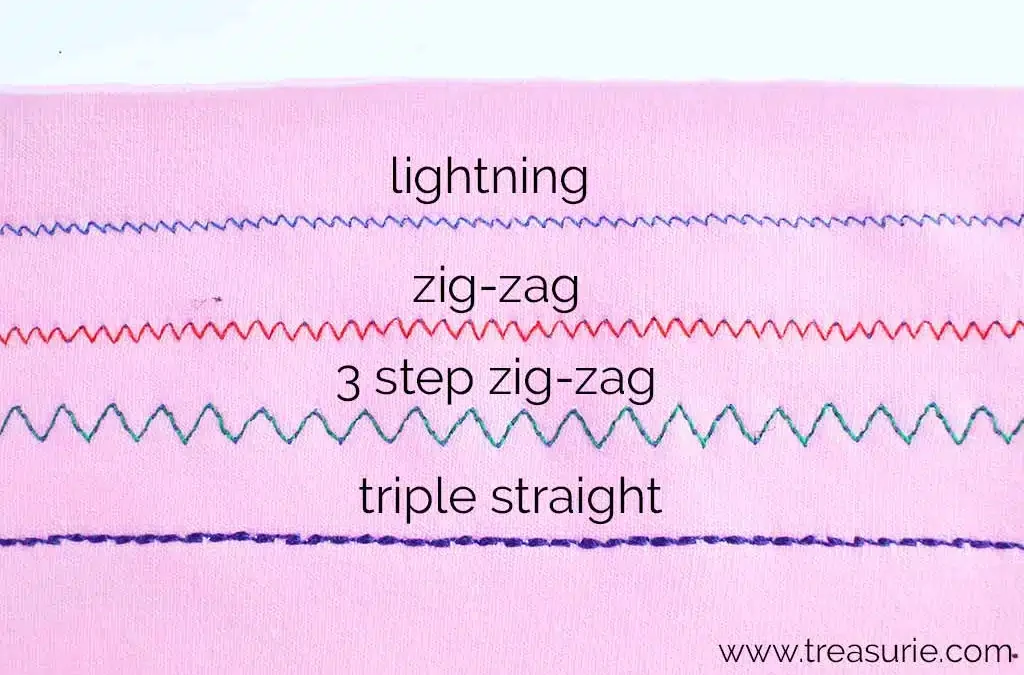
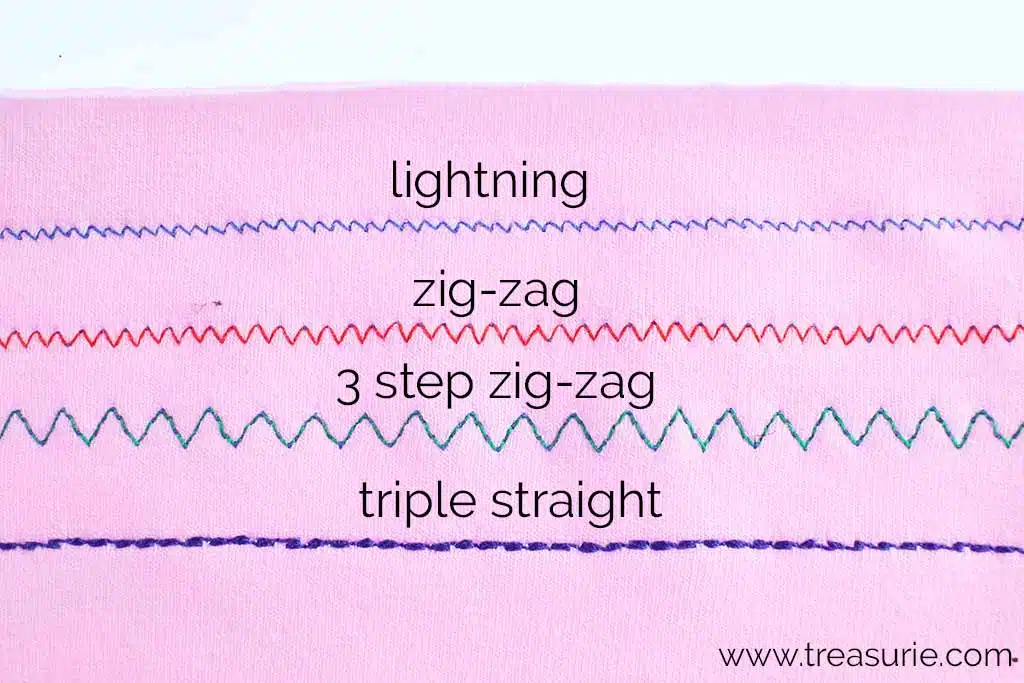
1. 🔁 The Zigzag Stitch
The classic choice.
Why it works:
- It expands and contracts with the fabric
- Easy to adjust width and length
- Available on all sewing machines
Ideal settings:
- Width: 1.0–2.5
- Length: 2.0–2.5
2. 🪡 The Lightning Bolt Stitch (Stretch Stitch)
A specialized stitch designed for knits.
Benefits:
- Stronger than zigzag
- Lies flatter
- Excellent for seams under tension
This is often the top recommendation when people ask what stitch to use for stretchy fabric.
3. 🧶 The Overlock or Serger Stitch
If you have a serger, this is the gold standard.
Advantages:
- Professional finish
- Built‑in stretch
- Trims and sews simultaneously
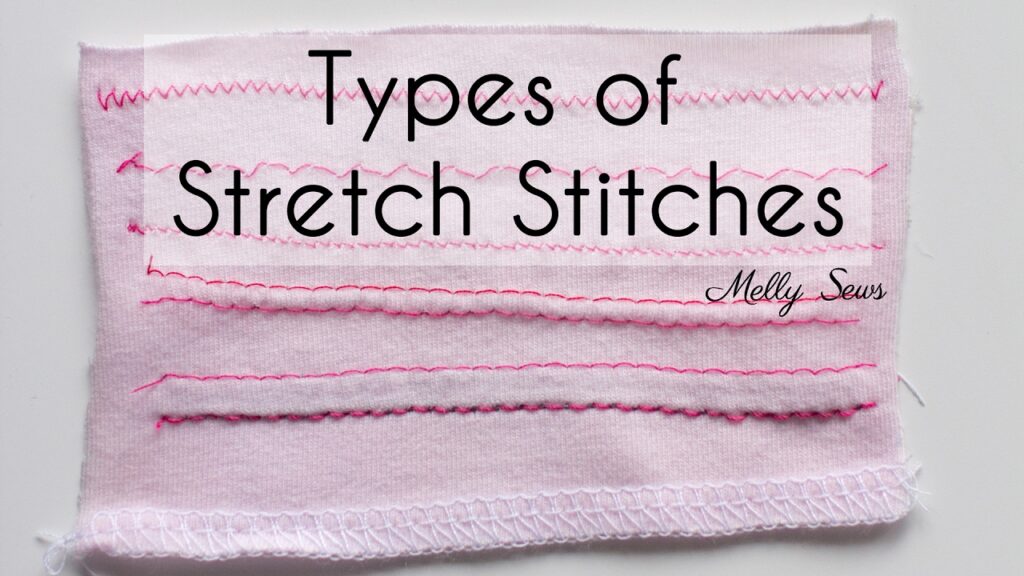
4. ➿ The Twin Needle Hem
Used for hems rather than seams.
Why it’s great:
- Creates two parallel lines on top
- Zigzag bobbin thread allows stretch
- Mimics a coverstitch machine
5. 🔄 The Triple Stretch Stitch
A reinforced option.
Features:
- Very strong
- Good for high‑stress areas
- Slightly bulky but extremely durable
❓ Curious Questions About Stretch Stitches
Q: Can I use a straight stitch on stretchy fabric?
A: Only if you use a narrow straight stitch with stretch thread in the bobbin, but it’s not ideal. It’s safer to choose a stitch designed for stretch.
Q: What stitch prevents seams from popping?
A: The lightning bolt stitch or a 4‑thread serger stitch are the most reliable options when deciding what stitch to use for stretchy fabric.
Q: Why does my machine skip stitches on knits?
A: You may be using the wrong needle. A ballpoint or stretch needle is essential for smooth stitching.
📋 Sewing Success List: Essentials for Stretch Fabrics
Use this list to avoid common mistakes:
- ✔ Use a ballpoint or stretch needle
- ✔ Choose a stitch that stretches
- ✔ Avoid pulling the fabric while sewing
- ✔ Test stitches on scraps first
- ✔ Adjust presser foot pressure if needed
- ✔ Use polyester thread for flexibility
- ✔ Stabilize hems with knit tape if necessary
These steps support your choice of what stitch to use for stretchy fabric and ensure clean, durable results.
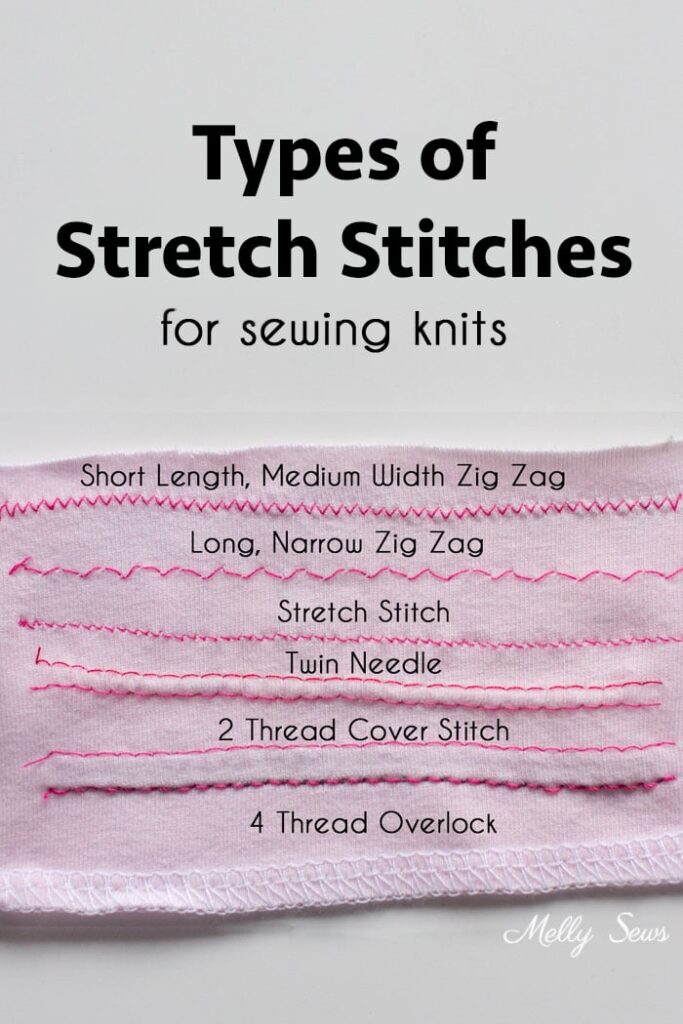
📊 Stitch Comparison Table
Here’s a helpful breakdown of the most common stitches used for stretch fabrics:
| Stitch Type | Stretch Level | Best For | Pros | Cons |
|---|---|---|---|---|
| Zigzag | Medium | Basic seams | Easy, universal | Can look homemade |
| Lightning Bolt | High | Garment seams | Strong, flexible | Slower to sew |
| Serger Overlock | Very High | All seams | Professional finish | Requires serger |
| Twin Needle | Medium | Hems | Clean look | Needs practice |
| Triple Stretch | High | Stress points | Extremely strong | Bulky |
This table helps clarify what stitch to use for stretchy fabric depending on your project.
💬 A Thoughtful Reflection
“Stretch fabric rewards patience and precision — choose the right stitch, and the fabric will move with you, not against you.”
This captures the essence of learning what stitch to use for stretchy fabric.
🧵 Real‑World Scenario: A Seam That Survives Movement
Imagine you’re sewing a pair of leggings. You choose a straight stitch because it looks neat. The first time you bend your knee, the seam pops open. Frustrating, right?
Now imagine using a lightning bolt stitch instead. The seam stretches with your movement, stays strong, and feels comfortable. This is the practical impact of knowing what stitch to use for stretchy fabric.
Choosing what stitch to use for stretchy fabric is one of the most important decisions you’ll make when sewing knits. The right stitch ensures:
- Durability
- Comfort
- Professional appearance
- Seam flexibility
- Long‑lasting garments
Whether you’re sewing activewear, t‑shirts, or cozy loungewear, understanding what stitch to use for stretchy fabric will transform your results.