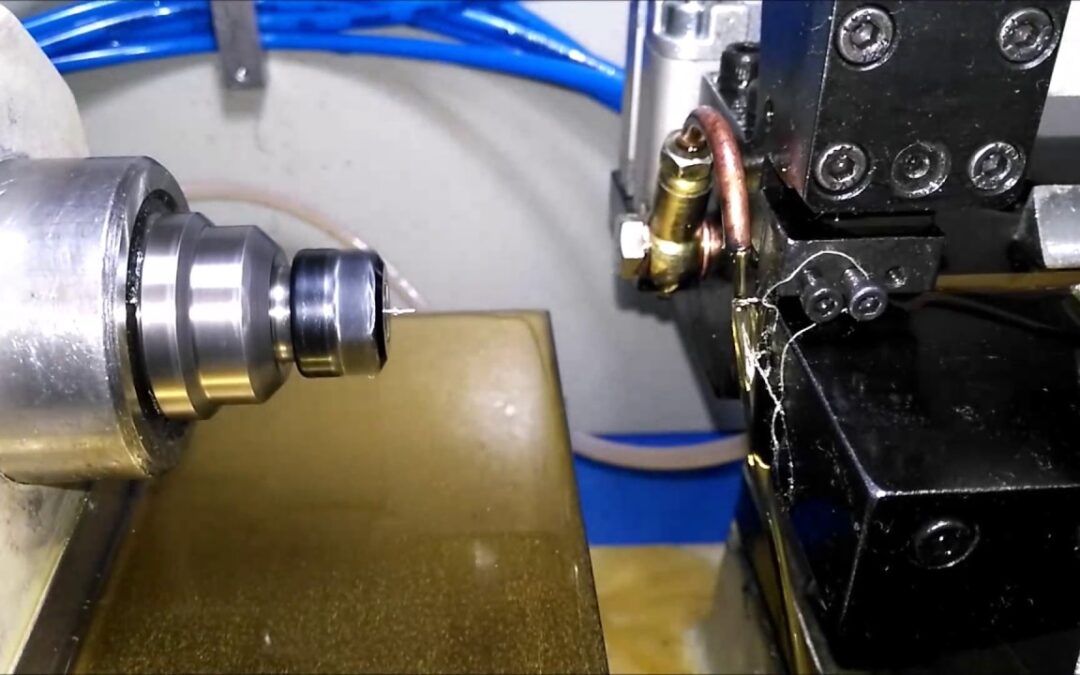
Sewing needles are tiny, simple tools, yet they carry centuries of craftsmanship, engineering, and precision. Understanding how sewing needles are made reveals a surprisingly complex process involving metallurgy, micro‑engineering, and quality control. This article takes you deep into the world of needle manufacturing, from raw steel wire to the polished, sharp, eye‑pierced tool you hold in your hand.
🌟 A Brief Introduction
Before diving into the technical steps of how sewing needles are made, it’s worth appreciating their importance. Needles have shaped human civilization — from early bone needles used 40,000 years ago to today’s ultra‑precise steel tools used in fashion, medicine, and industry.
Modern sewing needles must be:
- Strong
- Flexible
- Smooth
- Rust‑resistant
- Perfectly sharp
- Uniform in size
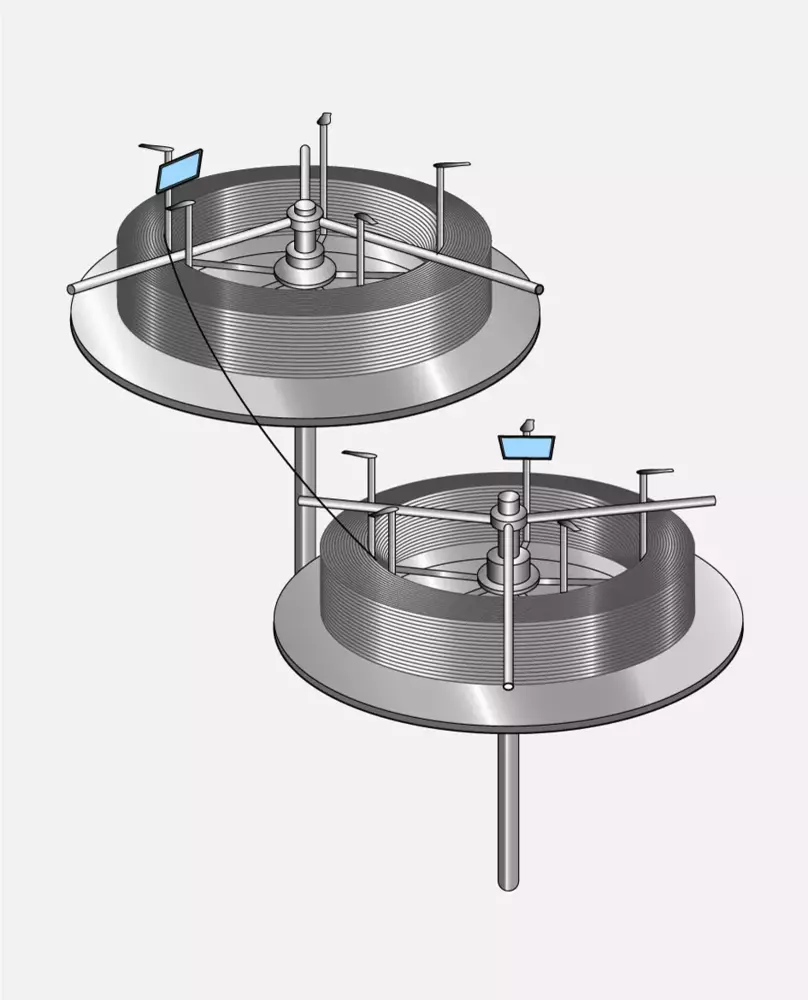
Achieving all of this requires a carefully controlled manufacturing process.
🔧 The Complete Manufacturing Journey
Below is a detailed breakdown of how sewing needles are made, step by step.
1. 🧲 Selecting and Preparing the Steel Wire
Manufacturers begin with high‑carbon steel wire. This material is chosen because it can be hardened and polished to a fine point.
Key actions:
- Wire is straightened
- Cut into equal lengths
- Cleaned to remove oils and impurities
This is the foundation of how sewing needles are made — without perfect wire, the final needle would be weak or brittle.
2. 🔨 Forming the Needle Body
Each cut wire piece is shaped into a needle blank.
Processes include:
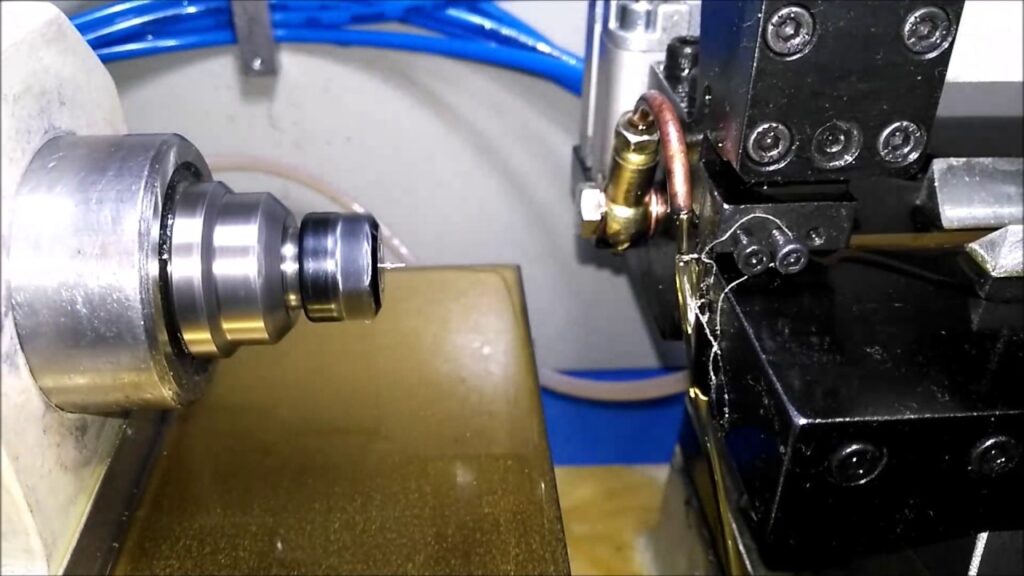
- Pointing: One end is ground into a sharp tip
- Heading: The opposite end is flattened to prepare for the eye
- Straightening: Machines ensure the needle is perfectly straight
This stage is crucial in how sewing needles are made, because even a slight bend can ruin the final product.
3. 👁️ Creating the Needle Eye
This is one of the most delicate steps.
How the eye is formed:
- A tiny punch pierces the flattened end
- The hole is widened and shaped
- Edges are smoothed to prevent thread damage
The precision required here is extraordinary — the eye must be strong yet smooth.
4. 🔥 Hardening and Tempering
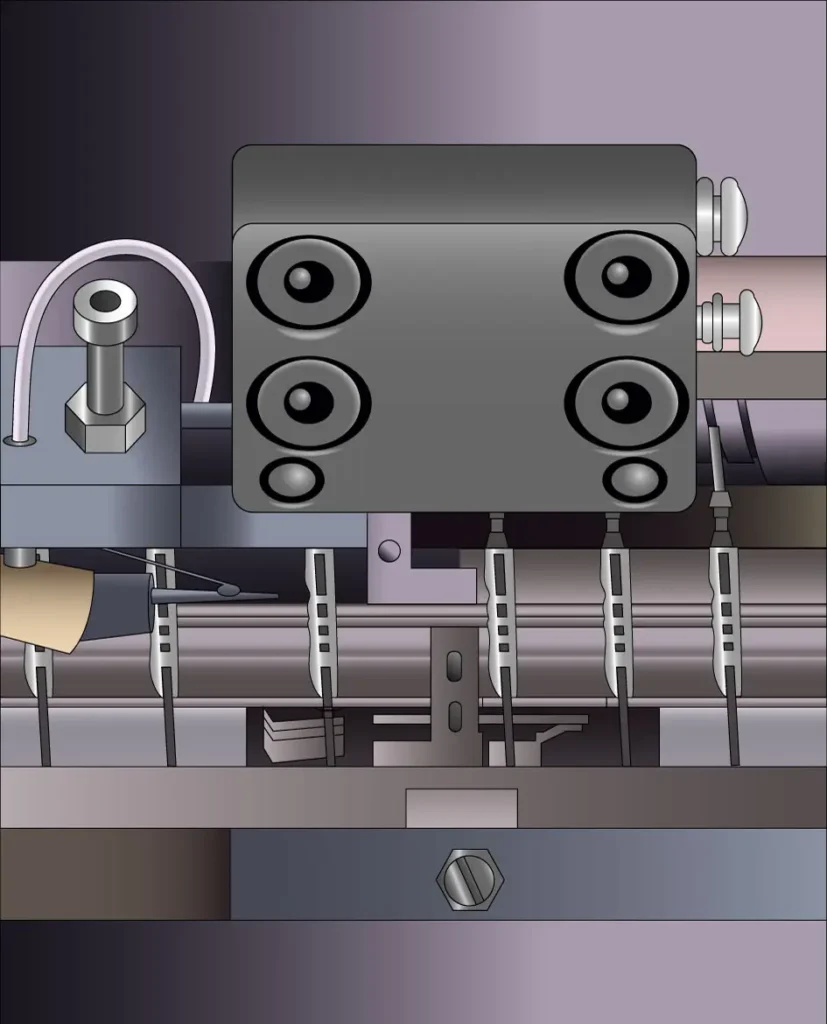
To ensure durability, needles undergo heat treatment.
Steps:
- Heated to high temperatures
- Rapidly cooled (quenched)
- Reheated at lower temperatures (tempered)
This gives the needle the perfect balance of hardness and flexibility.
5. ✨ Polishing and Finishing
Needles are polished in large rotating drums filled with abrasives.
Goals:
- Remove rough edges
- Achieve a mirror‑smooth surface
- Prevent thread snagging
This polishing stage is a defining part of how sewing needles are made, ensuring the needle glides effortlessly through fabric.
6. 🧪 Quality Control
Every batch is inspected for:
- Straightness
- Eye smoothness
- Sharpness
- Surface finish
- Strength
Only needles that pass all tests are packaged and shipped.
❓ Q&A Corner: Curious Questions About Needle Making
Q: Why is high‑carbon steel used in sewing needles?
A: Because it can be hardened to maintain a sharp point while remaining flexible enough not to snap.
Q: How do manufacturers ensure the eye doesn’t cut thread?
A: The eye is polished internally using micro‑abrasives to eliminate sharp edges.
Q: Are all needles made the same way?
A: The core process of how sewing needles are made is similar, but specialty needles (embroidery, quilting, leather) undergo additional shaping or coating.
📋 Essential Checklist: What Makes a High‑Quality Needle?
Use this checklist next time you evaluate a sewing needle:
- ✔ Smooth, polished surface
- ✔ Perfectly straight body
- ✔ Sharp, even point
- ✔ Clean, burr‑free eye
- ✔ Consistent size and thickness
- ✔ Rust‑resistant finish
- ✔ Balanced flexibility and strength
These qualities reflect the precision behind how sewing needles are made.
📊 Comparison Table: Hand Sewing vs. Machine Sewing Needles
Below is a helpful table to understand differences in design and manufacturing.
| Feature | Hand Sewing Needle | Machine Sewing Needle |
|---|---|---|
| Eye Position | At the top | Near the point |
| Shaft Shape | Uniform | Often grooved |
| Point Style | Varies by type | Designed for specific fabrics |
| Manufacturing Complexity | Moderate | High |
| Typical Use | Manual stitching | Sewing machines |
Both types rely on the same fundamental principles of how sewing needles are made, but machine needles require additional engineering.
💬 A Thoughtful Quote
“A needle may be small, but it holds the power to weave stories, cultures, and generations together.”
This sentiment captures the beauty behind understanding how sewing needles are made.
🧶 Real‑World Scenario: From Factory to Fabric
Imagine a small textile workshop producing custom garments. The tailors rely on needles that must withstand constant use. If the needles were poorly made — rough eyes, dull points, or weak steel — the workflow would slow down, threads would break, and fabrics could be damaged.
Because of the precision behind how sewing needles are made, the workshop can:
- Sew faster
- Reduce thread waste
- Maintain fabric quality
- Produce cleaner stitches
This practical example shows how manufacturing quality directly affects real‑world sewing.
Understanding how sewing needles are made reveals a world of craftsmanship hidden inside a tiny tool. From steel selection to polishing, each step is a blend of science, engineering, and tradition. The next time you pick up a needle, you’ll know the remarkable journey it took to reach your hands.