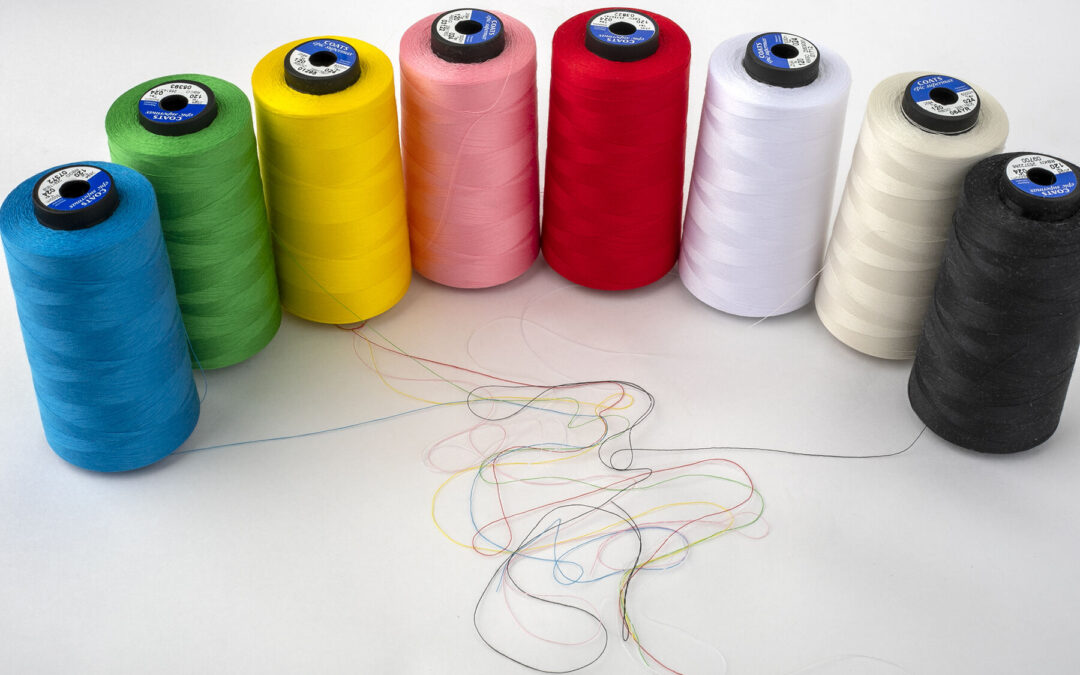
If you’ve ever opened an old sewing box and found spools from decades ago, you’ve probably wondered: does sewing thread go bad? It’s a surprisingly common question among sewists, quilters, and crafters. Thread looks simple, but its quality directly affects the strength, appearance, and longevity of your sewing projects.
This comprehensive guide explores does sewing thread go bad, how to tell when it has, what causes deterioration, and how to store thread so it lasts as long as possible.
🌟 Understanding the Big Question: Does Sewing Thread Go Bad?
Before diving into details, let’s clarify what people really mean when they ask does sewing thread go bad.
Thread can:
- Weaken
- Dry out
- Become brittle
- Fade
- Shed fibers
- Snap under tension
So yes — thread can go bad. But the rate depends on the material, storage conditions, and age.
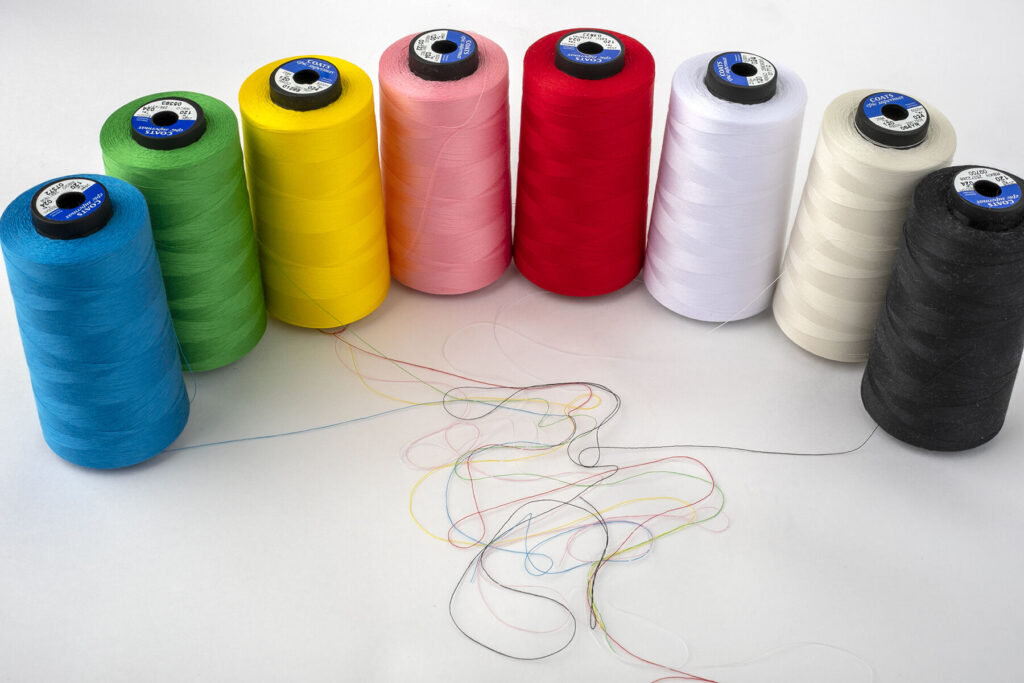
🧶 Why Thread Deteriorates Over Time
To understand does sewing thread go bad, you need to know what causes thread to break down.
1. 🌞 Exposure to Light
Sunlight and UV rays weaken fibers, especially cotton.
2. 💨 Dry Air and Temperature Changes
Fluctuations cause thread to dry out or become brittle.
3. 🧵 Fiber Type
Different threads age differently:
- Cotton: breaks down fastest
- Polyester: lasts longest
- Silk: delicate but stable if stored well
4. 🧴 Oils and Dust
Thread absorbs oils from hands and dust from the environment, which accelerates aging.
These factors all contribute to the answer to does sewing thread go bad.
🧵 How Long Does Thread Last?
The lifespan of thread varies widely.
Cotton Thread
- Lasts: 5–10 years
- Most prone to deterioration
Polyester Thread
- Lasts: 20+ years
- Very stable and durable
Silk Thread
- Lasts: 15–20 years
- Sensitive to humidity
Understanding these timelines helps answer does sewing thread go bad based on material.
❓ Common Questions About Thread Expiration
Q: Does sewing thread go bad if it’s never been used?
A: Yes. Even unused thread can weaken over time due to age, light, and air exposure.
Q: Does sewing thread go bad if stored in a sewing box?
A: It depends on the environment. Cool, dark, and dry storage extends thread life.
Q: Does sewing thread go bad if it looks fine?
A: Appearance can be misleading. The real test is whether it snaps easily when pulled.
Q: Does sewing thread go bad faster on wooden spools?
A: Not because of the spool itself, but older wooden‑spool thread is usually decades old and often brittle.
📋 Thread Health Checklist
Use this list to determine whether your thread is still usable:
- ✔ Does it snap easily when pulled?
- ✔ Is the color faded or dusty?
- ✔ Does it feel dry or brittle?
- ✔ Does it shed fibers when unwound?
- ✔ Does it break while sewing?
- ✔ Is it older than 10–20 years?
- ✔ Was it stored in sunlight or humidity?
If you check several boxes, the answer to does sewing thread go bad is likely yes.
📊 Thread Comparison Table: Old vs. New
| Feature | Old Thread | New Thread |
|---|---|---|
| Strength | Often weak | Strong |
| Flexibility | Brittle | Smooth |
| Color | Faded | Vibrant |
| Fiber Shedding | Common | Minimal |
| Sewing Performance | Breaks easily | Reliable |
| Best Use | Hand basting, crafts | Garments, quilting |
This table helps illustrate does sewing thread go bad in practical terms.
💬 A Thoughtful Reflection
“Thread may be small, but it holds every stitch of your story — choose it wisely.”
This quote captures the importance of understanding does sewing thread go bad.
🧵 Real‑Life Scenario: When Old Thread Causes Trouble
Imagine you’re sewing a quilt using thread inherited from your grandmother. It looks fine, so you start stitching. Halfway through, the thread begins snapping. The tension becomes uneven, and the seams weaken.
You test the thread by pulling it firmly — it breaks instantly.
You switch to new polyester thread, and suddenly:
- The stitches are smooth
- The seams are strong
- The quilting flows easily
This example shows how answering does sewing thread go bad can save time, frustration, and your project.
So, does sewing thread go bad? Absolutely — but not all thread ages the same way. Cotton deteriorates fastest, polyester lasts longest, and storage conditions make a huge difference.
Key takeaways:
- Thread can expire
- Old thread may break, fade, or weaken
- Proper storage extends lifespan
- Testing thread before use prevents project disasters