Quilting is both an art and a science. The fabrics, batting, thread, and design all matter — but one detail often overlooked is stitch length. Understanding what stitch length for quilting is ideal can dramatically improve the durability, appearance, and overall feel of your quilt.
Whether you’re quilting by machine or by hand, this guide will walk you through everything you need to know about what stitch length for quilting, why it matters, and how to choose the perfect setting for your project.
🌟 Why Stitch Length Matters in Quilting
Before diving into the specifics of what stitch length for quilting works best, it’s important to understand why stitch length plays such a crucial role.
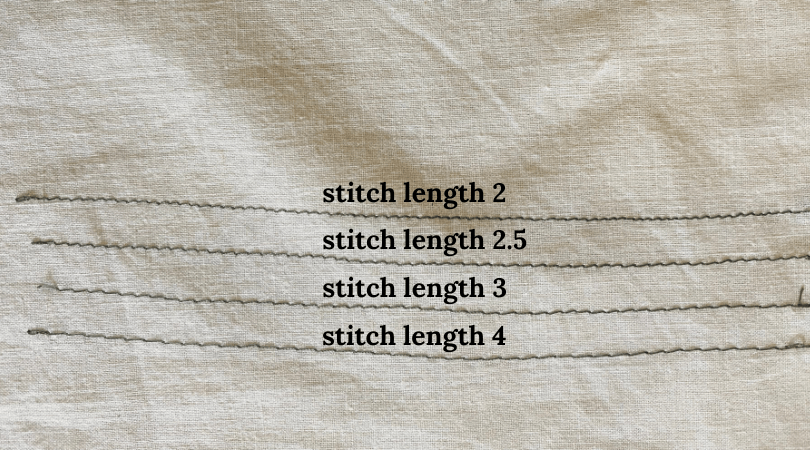
Stitch length affects:
- 🧩 Durability — too long and seams may loosen; too short and fabric may weaken
- 🎨 Aesthetics — stitch length influences the look of quilting lines
- 🪡 Ease of quilting — shorter stitches can be harder to rip out
- 🧵 Fabric behavior — different fabrics respond differently to stitch length
Choosing what stitch length for quilting is not just a technical decision — it’s a creative one.
🔧 Recommended Stitch Lengths for Quilting
Here’s a breakdown of the most common stitch lengths and when to use them.
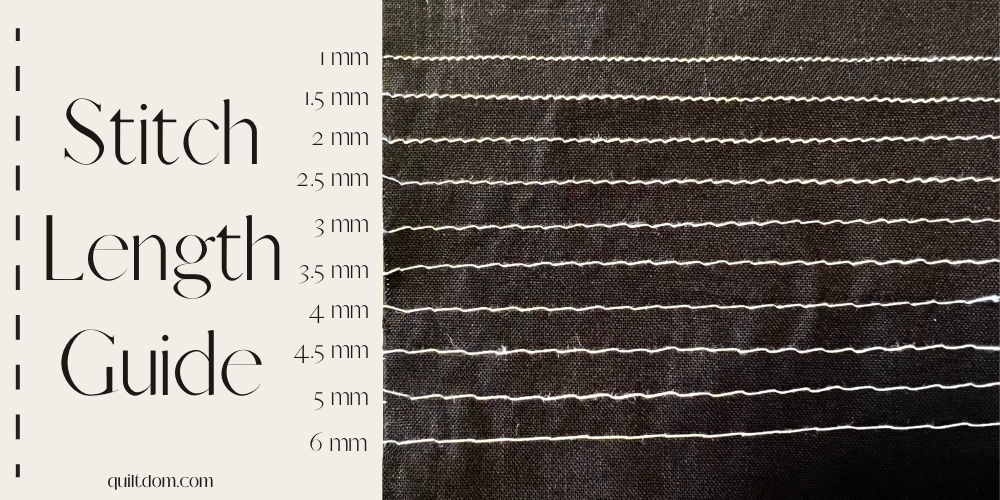
1. ✂️ Standard Machine Quilting: 2.0–2.5 mm
This is the most widely recommended range when deciding what stitch length for quilting.
Why it works:
- Strong enough to hold layers together
- Smooth and even appearance
- Works for most cotton fabrics
2. 🪡 Free‑Motion Quilting: 2.5–3.5 mm
When you’re moving the quilt freely under the needle, longer stitches help maintain flow.
Benefits:
- Prevents thread buildup
- Creates graceful curves
- Reduces friction
3. 🧶 Walking Foot Quilting: 2.5–3.0 mm
Walking foot quilting benefits from slightly longer stitches.
Ideal for:
- Straight‑line quilting
- Thick quilts
- Dense batting
4. 🧵 Hand Quilting: 6–10 stitches per inch
Hand quilting uses a different measurement system.
Why:
- Smaller stitches create a traditional look
- Even spacing is more important than exact size
❓ Common Questions About Stitch Length in Quilting
Q: What stitch length for quilting gives the strongest seam?
A: A stitch length of 2.0–2.2 mm provides excellent strength for piecing and quilting.
Q: Can I use a longer stitch for decorative quilting?
A: Yes — when choosing what stitch length for quilting for decorative work, 3.0–4.0 mm can create bold, visible lines.
Q: Does stitch length change with batting thickness?
A: Thicker batting often benefits from slightly longer stitches to prevent puckering.
Q: What stitch length for quilting helps prevent fabric distortion?
A: A moderate length (2.2–2.5 mm) helps maintain stability without over‑tightening the fabric.
📋 Quilter’s Quick‑Check List
Use this list before starting your quilting session:
- ✔ Test stitch length on a quilt sandwich
- ✔ Adjust tension to match stitch length
- ✔ Consider fabric thickness
- ✔ Match stitch length to quilting style
- ✔ Use high‑quality thread
- ✔ Check stitches from both sides
- ✔ Avoid overly tiny stitches (hard to remove!)
This checklist helps you confidently choose what stitch length for quilting works best for your project.
📊 Stitch Length Comparison Table
| Quilting Method | Recommended Stitch Length | Why It Works | Notes |
|---|---|---|---|
| Machine Quilting | 2.0–2.5 mm | Balanced strength + appearance | Ideal for beginners |
| Free‑Motion | 2.5–3.5 mm | Smooth movement | Longer stitches prevent drag |
| Walking Foot | 2.5–3.0 mm | Even feed | Great for straight lines |
| Hand Quilting | 6–10 SPI | Traditional look | Focus on consistency |
| Decorative Quilting | 3.0–4.0 mm | Visible texture | Best with contrasting thread |
This table makes it easier to decide what stitch length for quilting depending on your technique.
💬 A Thoughtful Reflection
“A quilt is a story stitched in time — and every stitch length shapes the rhythm of that story.”
This quote captures the artistry behind choosing what stitch length for quilting.
🧵 Real‑World Scenario: Stitch Length in Action
Imagine you’re quilting a baby blanket with soft cotton fabric and medium‑loft batting. You choose a 1.8 mm stitch length because it looks neat. But as you quilt, the fabric begins to pucker, and the stitches feel tight.
Now imagine switching to a 2.5 mm stitch length. Suddenly:
- The quilt glides smoothly
- The stitches look even
- The fabric lies flat
- The quilting design flows beautifully
This simple adjustment shows how understanding what stitch length for quilting can transform your results.
Choosing what stitch length for quilting is one of the most important decisions you’ll make in the quilting process. The right stitch length ensures:
- Strong seams
- Smooth quilting lines
- Beautiful texture
- Long‑lasting quilts
- Stress‑free sewing
Whether you’re quilting by hand, machine, or free‑motion, mastering what stitch length for quilting will elevate every project you create.
Check out our 5000+ Sewing Patterns!